Choose Fencing That Protects Your Site and Resources
Fencing is not a one-size-fits-all decision for a commercial site. A school, business park, managed development, sports ground or estate in Buckinghamshire may need fast protection around temporary works, a lasting boundary around the whole property, or a phased arrangement that does both.
When we review fencing requirements, we look beyond the fence panels themselves. Security, public safety, expected project length, visual appearance, access routes and future upkeep all shape the right choice. Late autumn is also a sensible time to check existing boundaries, as wetter ground, stronger winds, reduced daylight and winter maintenance pressures can expose weak points. Before equipment is stored or seasonal work begins, it helps to understand where temporary and permanent fencing each fit best.
Match the Fence Type to Your Site Timescale
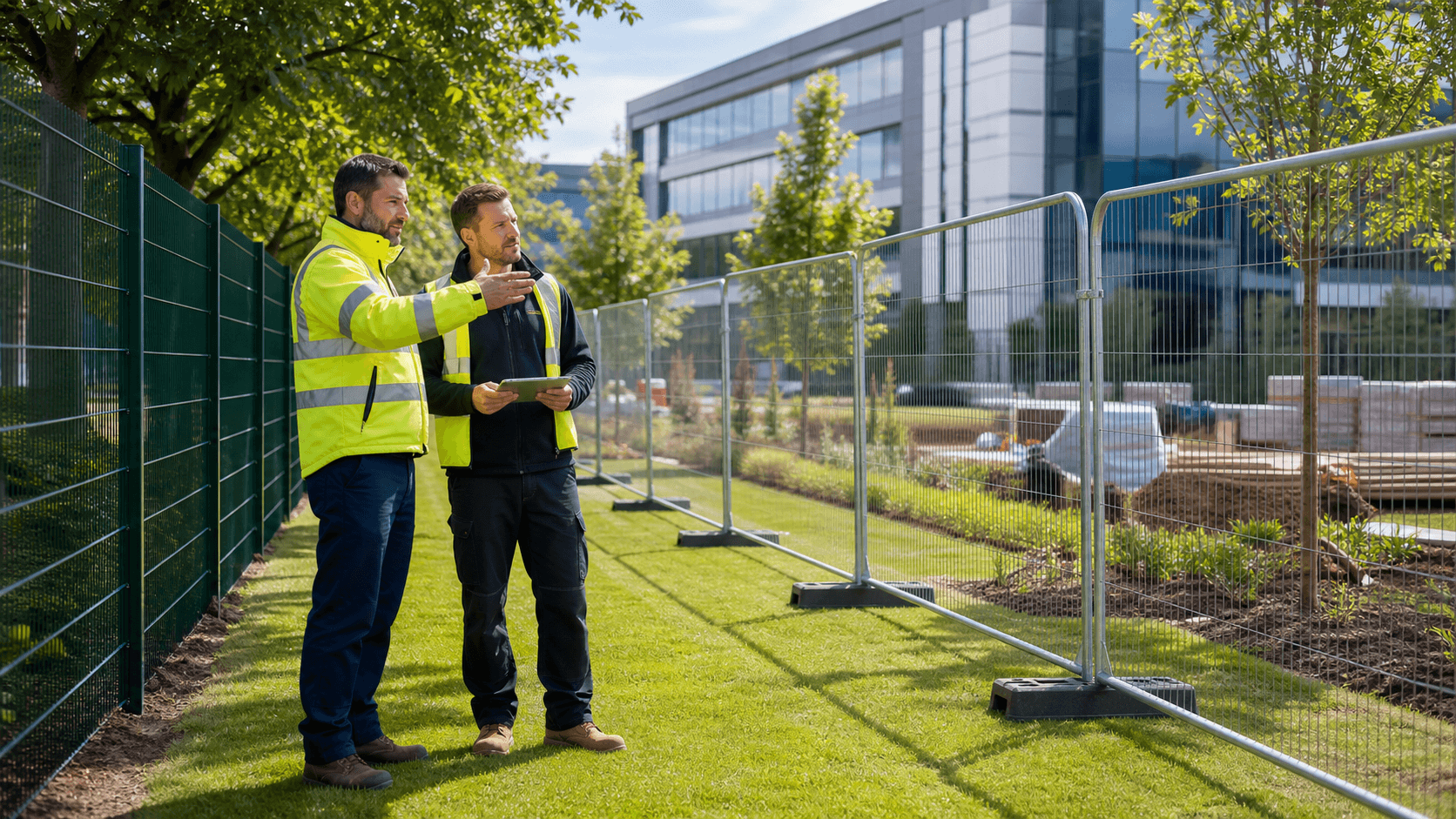
Temporary fencing is designed for situations that will change or finish within a defined period. It can be put in place around active areas and removed once the need has passed, making it useful where a fixed boundary would be unnecessary.
We often recommend considering temporary fencing for:
- Construction, repair or landscaping work areas
- Short-term material and machinery storage
- Event spaces and controlled visitor areas
- Restricted zones around hazards or damaged ground
- Areas where the site layout is likely to change
Because it is flexible, temporary fencing can help you respond quickly when a section of land needs to be closed off. It can also make boundaries clearer for staff, contractors and visitors while work is taking place.
Permanent fencing suits sites where the need for security and clear boundaries is ongoing. Schools, commercial premises, sports environments, estates and managed developments may benefit from a solution that is designed around the site's shape, entrances and day-to-day use. A well-planned permanent fence can look more settled within its surroundings while providing a dependable long-term boundary.
Before making a decision, we suggest thinking about how long the fencing will be needed and whether that need is likely to grow. Commercial fencing contractors in Buckinghamshire can assess whether a short-term barrier remains suitable or whether a permanent installation makes better long-term sense for the site.
Compare Security, Safety and Access Control
Temporary fencing plays an important part in keeping changing worksites organised. It creates a visible line between areas that are safe to enter and areas that should remain off limits. This can be particularly helpful where machinery is moving, materials are being stored or ground conditions have changed during a project.
For active sites, temporary fencing can help to:
- Deter unauthorised entry into work areas
- Mark hazards clearly for pedestrians and visitors
- Protect machinery, materials and equipment
- Separate operational work from public spaces
- Adjust boundaries as the work progresses
Permanent fencing usually provides a firmer level of perimeter protection. Depending on the site's needs, this may include secure gates, anti-climb features and layouts that work with access-control arrangements. For schools, business parks and sports grounds, permanent fencing can also help define where the public can enter and where operational areas begin.
Access should never be treated as an afterthought. Gate locations need to suit pedestrian entry, delivery vehicles, emergency access and everyday maintenance visits. We also consider how people move around the site, especially where visitors, staff, pupils, spectators and contractors may use the same grounds. Clear separation between public routes and operational spaces can reduce confusion and help the site run more smoothly.
Factor in Winter Weather and Ground Conditions
Late autumn is a useful point to inspect fencing before winter weather puts it under added pressure. Heavy rain can soften the ground around posts and temporary feet, while high winds can affect unsupported panels. Shorter days may also make damaged sections harder to spot, particularly around storage areas or less-used corners of a site.
Temporary fencing needs regular checks during unsettled weather. Panels should be properly braced and securely fixed, with suitable support for the surface beneath them. Waterlogged or uneven ground can make a temporary installation less stable, so it is important to assess the location before fencing is installed. A panel that shifts or falls can quickly become a safety issue rather than a safety measure.
Permanent fencing needs careful planning too. Ground preparation, drainage, post foundations and access for installation equipment all affect how well the finished boundary performs. We recommend allowing for the way rainwater moves across the site, rather than treating fencing as separate from the surrounding grounds. Thoughtful planning can limit avoidable repairs and help the site remain tidy and presentable throughout the year.
Balance Immediate Needs with Long-Term Value
For a brief project or seasonal operation, temporary fencing can be a practical way to protect an area without committing to a boundary that will no longer be needed. Hire arrangements can also suit organisations that only require fencing while works are underway or while a particular section of land remains closed.
Permanent fencing asks for more planning at the start, but it can provide a stable boundary for years of day-to-day use. It may support site security, improve the appearance of entrances and edges, and reduce the need to repeatedly bring in short-term barriers for the same location.
Rather than focusing only on the first stage of a fencing project, we encourage you to consider the full commitment involved. This includes installation, inspections, repairs, removal when relevant, potential security concerns and disruption to normal site activity. The right material and layout should reflect how your grounds are used, not simply what is easiest to install in the moment.
Plan a Fencing Solution Before Winter Arrives
Before winter conditions and year-end pressures build up, take a walk around your site and look closely at its boundaries. Check for damaged panels, loose posts, unsecured gates, exposed equipment areas and places where public access could create a safety concern. Temporary fencing may be the sensible answer for a changing worksite or restricted zone, while permanent fencing is usually better suited to lasting security, access management and a consistent site appearance.
A clear assessment now can help you avoid rushed decisions later. Consider how fencing connects with wider grounds maintenance, landscaping work, sports turf care and specialist site operations, then plan boundaries that support safe, orderly use of the grounds in every season.
Get Fencing Support That Fits Your Site
HumphriesTrio Grounds Maintenance can help you assess the practical requirements of your grounds and specify a solution that works for your operation. Our commercial fencing contractors in Buckinghamshire provide coordinated support alongside the wider services your site may require. For a tailored discussion about your fencing needs, contact us today.