A grounds maintenance company should do far more than cut grass and tidy borders. When outdoor areas are cared for properly, they help protect people, keep shared spaces usable and give visitors a positive first impression from the moment they arrive.
We see this across managed developments, business parks, education sites, estates and sports environments. Each site has its own pressures, from busy footfall and vehicle access to changing weather and seasonal growth, so planned care makes it easier for you to maintain clear standards all year.
Protect Your Site with Proactive Grounds Care
Reliable grounds maintenance starts with a plan, not a last-minute response to an overgrown area or blocked path. By looking after outdoor spaces regularly, we can help you avoid small issues becoming larger disruptions for staff, visitors, residents or site users.
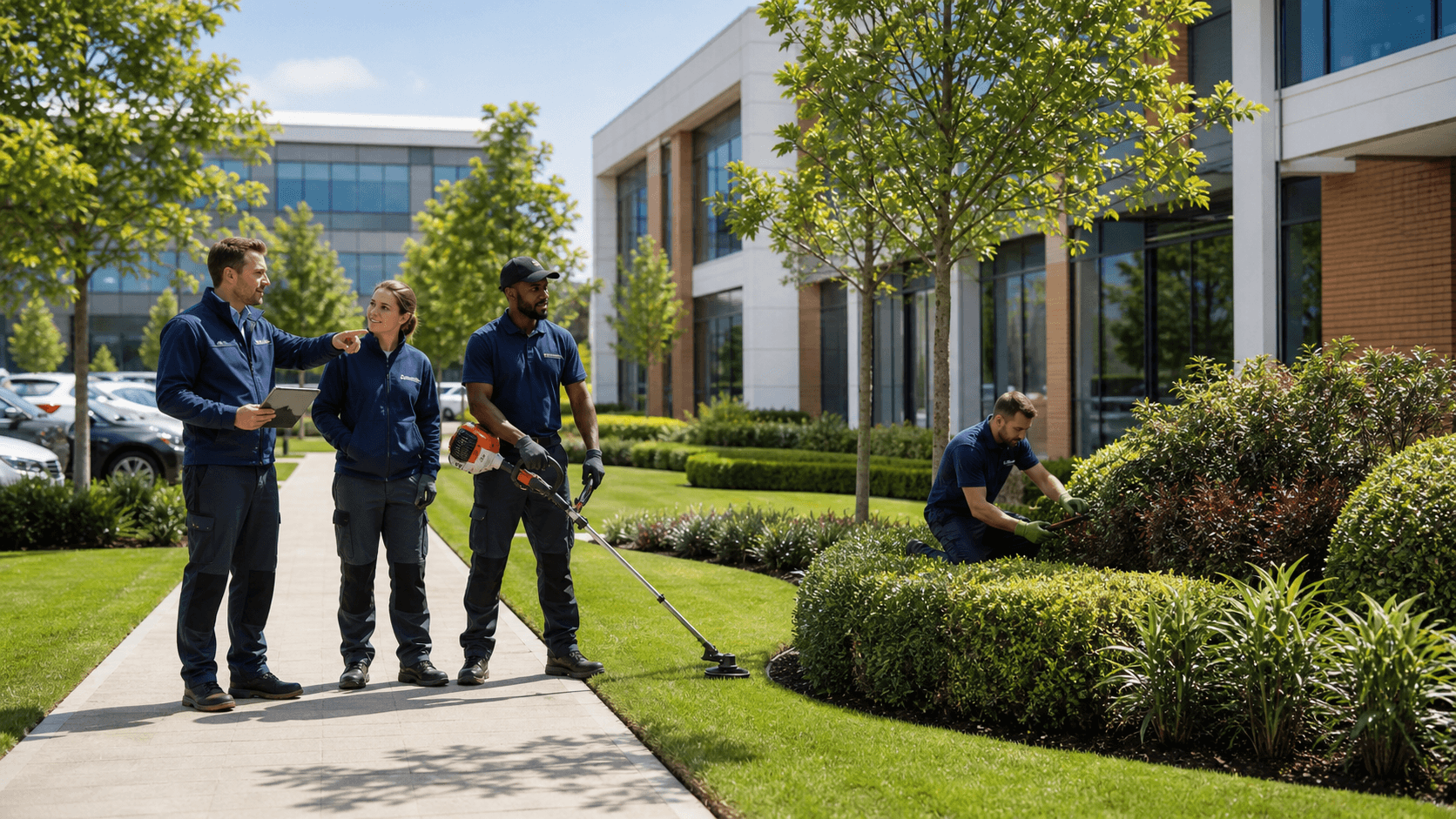
The right level of support depends on how your grounds are used. A quiet estate with large lawns will need a different programme from a school with busy entrances, play areas and shared pathways. Car parks, boundary hedges, planted beds, sports areas and communal seating spaces all need to be considered as part of the same wider plan.
A planned service gives you a clearer picture of what should be happening and when. It also helps create a more consistent appearance, even when weather conditions and plant growth change quickly.
Define What Your Grounds Maintenance Company Manages
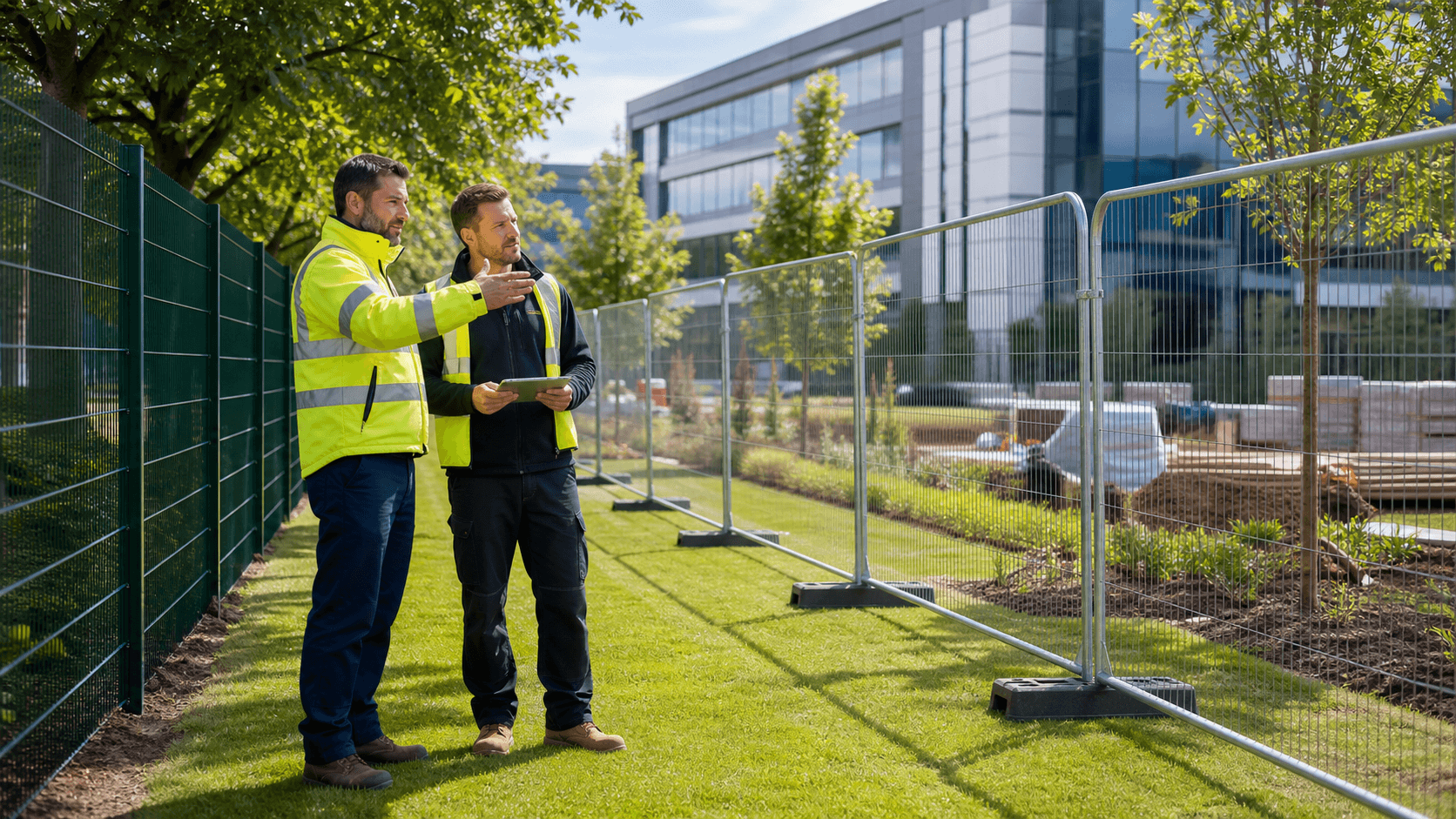
Before work begins, we recommend a detailed site assessment and a clear written specification. This should identify every area that needs attention, along with the expected condition of those spaces between visits.
Your grounds maintenance company should understand where the priorities lie. For some sites, tidy entrances and visible frontage may be the main focus. For others, safe access routes, boundary control or the care of larger green spaces may need more attention.
A well-planned specification may cover:
- Grass cutting, edging and lawn presentation
- Hedge trimming, shrub care and seasonal pruning
- Weed control in planted areas, paths and hard surfaces
- Care of borders, communal areas and boundary lines
- Reporting of concerns that need further attention
Core tasks should be timed around growth, weather, site use and the presentation standard you expect. Cutting grass on a fixed schedule without considering conditions can lead to poor results. In the same way, hedges and shrubs need maintenance at suitable times, rather than being cut back simply because a visit is due.
We also believe it is important for you to know how often visits will take place, which seasonal tasks are included and how concerns will be reported. Clear expectations prevent overlooked responsibilities and make it easier to plan annual budgets.
Keep Grounds Safe, Tidy, and Accessible
Presentation matters, but safe access matters just as much. Paths, entrances, car parks and shared outdoor areas can quickly become difficult to use when leaves, debris, branches or overgrown vegetation are left unattended.
Regular attention around pedestrian routes helps keep walkways open and easier to inspect. We pay close attention to growth around signs, lighting columns, gates, entrances and vehicle access points, as these areas can affect visibility and movement around the site.
Particular issues to watch for include:
- Hedges or shrubs narrowing paths and access routes
- Fallen branches or damaged growth near busy areas
- Leaf build-up on paths, steps, drains and entrances
- Vegetation blocking signage, lighting or sightlines
- Litter and green waste collecting in communal spaces
Clean grounds also make it easier to spot developing problems. During routine visits, we can flag concerns such as damaged trees, invasive weeds, poor drainage or weather-affected surfaces. Early reporting gives you time to consider the right next step before the issue becomes more disruptive.
Prepare Outdoor Areas for Autumn and Winter
Autumn brings a noticeable change in the demands placed on commercial grounds. Falling leaves, wetter weather, shorter days and colder temperatures can affect both appearance and safety, especially around busy entrances and access routes.
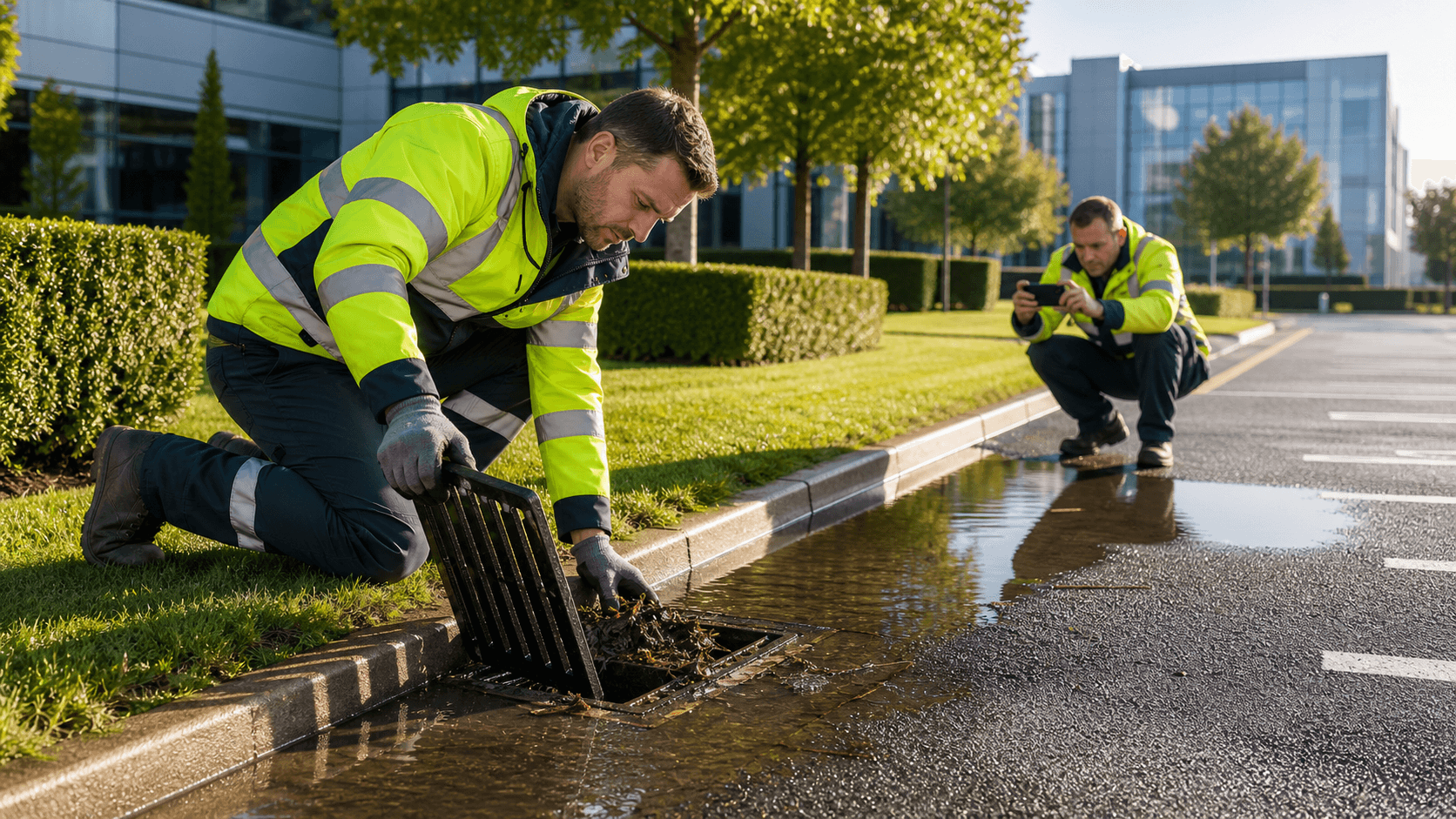
Leaf clearance should be a regular part of the service during this period. Wet leaves can make paths slippery, cover drains and smother lawns or planted areas if left in place for too long. Clearing them from car parks, pathways, entrances and drainage points helps keep outdoor spaces more practical through unsettled weather.
This is also a sensible time for us to review trees, hedges and shrubs. Damaged or weakened growth may need attention before winter weather arrives, while beds and planting areas can be prepared for the colder months ahead.
As growth slows, we can focus on forward planning, including pruning, mulching, bulb planting, soil improvement and agreed improvement works. These quieter months are useful for preparing sites so they are ready to look their best when spring growth returns.
Measure Standards, Safety, and Environmental Value
A grounds maintenance plan should be measured by the condition of the site, not simply by whether a task was completed. We recommend regular inspections, work records and open communication so you can see what has been done, what has been identified and what may need approval.
Responsible management also means considering the long-term condition of the grounds. Depending on the site, this may involve careful green waste handling, protecting established trees, selecting suitable planting and allowing appropriate areas to support biodiversity without making the grounds look neglected.
Regular reviews between you and your contractor can help keep the programme useful. Seasonal discussions give you the chance to assess performance, adapt visit schedules, set priorities and plan future improvements around the way your site is changing.
The best grounds management plan balances appearance, safety, access and long-term care. Reviewing your specification before winter helps you confirm that every outdoor area has a clear standard, a sensible schedule and a process for raising issues when conditions change.
Clear Standards for Every Outdoor Area
At HumphriesTrio Grounds Maintenance, we tailor practical specifications around your site's priorities, seasonal needs and daily use. Choose a grounds maintenance company that keeps responsibilities clear and work programmes accountable. To discuss your requirements, contact us for a tailored consultation.